
What is the Real Difference Between VPD and Humidity?
Humidity tells you how much moisture is in the air, while VPD reveals how that air actually affects your plant’s water loss, nutrient uptake, and growth. The same humidity can lead to completely different plant outcomes depending on temperature—making VPD the more accurate measure. Focus on VPD, not fixed humidity numbers, to create the ideal environment for healthy, stress-free growth.
Table of Contents

What Is Humidity?
When you step outside on a hot, sticky day and your shirt clings to your body — that’s humidity. When your glasses fog up walking into a warm room — that’s humidity too.
But what exactly is it?
Humidity is simply moisture in the air. Air is not just empty space. It holds tiny water droplets we cannot see. The more water the air holds, the more humid it feels.
As a grower, you will often see this written as RH, which stands for Relative Humidity. RH tells you how much moisture is in the air right now compared to how much it could hold.
Think of it like a sponge:
- A dry sponge = low humidity (air can absorb a lot more water)
- A soaked sponge = high humidity (air is nearly full of moisture)
RH is measured as a percentage. 50% RH means the air is holding half of the water it is capable of holding. 90% RH means the air is almost completely full of moisture.
You measure RH with a simple tool called a hygrometer — most grow tents and greenhouses have one.

What Is VPD (Vapor Pressure Deficit)?
You now know humidity tells you how much moisture is in the air. But here is the problem — humidity alone does not tell you how the air is behaving toward your plant.
That is where VPD comes in.
VPD stands for Vapor Pressure Deficit. The name sounds complicated, but the idea is simple:
👉 VPD measures how thirsty the air is.
Here is how it works in plain language:
Your plant breathes through tiny holes in its leaves called stomata. As the plant breathes, it releases water vapor — like a quiet, invisible sweat. This process is called transpiration.
The air around the plant is always trying to pull that water out. VPD tells you how hard the air is pulling.
- High VPD = the air is very dry and pulls water out of the plant too fast. The plant gets stressed, closes its stomata, and slows down growth.
- Low VPD = the air is already full of moisture and barely pulls water at all. The plant cannot release water properly and growth slows again.
- Ideal VPD = the air pulls water at just the right speed. The plant breathes well, moves nutrients, and grows strong.
Think of it like drinking through a straw:
- A straw with too much suction = water spills everywhere (high VPD, plant loses water too fast)
- A straw with too little suction = nothing comes up (low VPD, plant cannot transpire)
- Just the right suction = smooth, steady flow (ideal VPD, healthy plant)
VPD is not just about moisture in the air — it is about how the air and plant interact. That is what makes it more powerful than humidity alone.
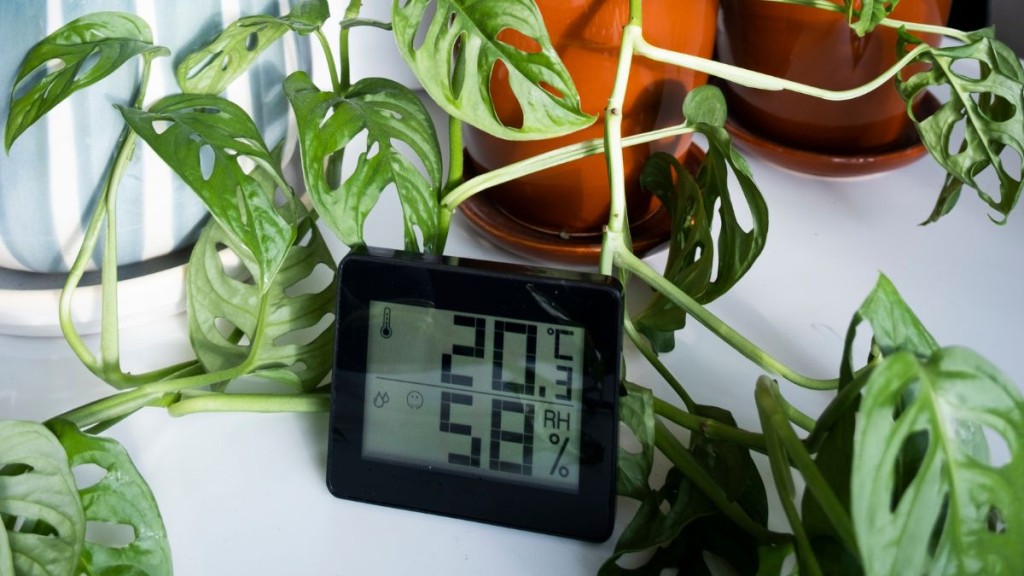
Simple Difference Between VPD and Humidity
At this point you know what humidity is and what VPD is. Now let us put them side by side so the difference is crystal clear.
Humidity tells you what is in the air. VPD tells you what the air is doing to your plant.
That one sentence is the whole difference. But let us break it down even further.
Imagine you are in a room with a wet towel hanging on the wall:
- Humidity tells you the towel is wet and the air feels damp
- VPD tells you whether the air is actually drying that towel — and how fast
Your plant is the towel. Humidity measures the room. VPD measures what is happening between the air and your plant.
Here is another way to see it:
Humidity (RH) | VPD | |
What it measures | Moisture in the air | How hard air pulls water from the plant |
What it tells you | How wet or dry the air feels | Whether your plant is stressed or thriving |
What it misses | Temperature effects | Nothing — it includes both temp and humidity |
Best used for | Basic environment check | Accurate plant health decisions |
The key problem with relying only on humidity:
Humidity does not care about temperature. But VPD does. The same 60% humidity can mean completely different things at 20°C versus 30°C. Your plant feels that difference even if your hygrometer does not show it.
VPD combines both temperature and humidity into one number — giving you the full picture of what your plant is actually experiencing.
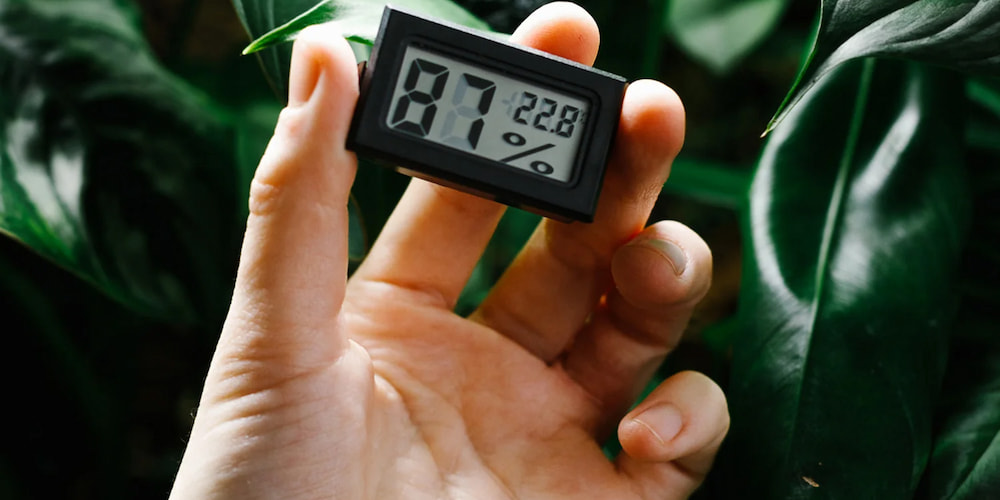
Why VPD Matters More Than Humidity for Plants?
Most growers start by watching humidity. That is completely normal. But at some point, you notice something confusing — your humidity looks perfect, yet your plants are still struggling. Leaves curl. Growth slows. Something feels off.
The reason is simple: humidity does not tell the full story. VPD does.
Here is why VPD matters more, broken into three things it directly controls:
1. Transpiration — Your Plant's Breathing
Transpiration is how your plant moves water from its roots, through its stem, and out through its leaves. This is not just sweating — it is how the plant functions.
When VPD is in the right range, the plant breathes at a steady, healthy pace. Water flows up from the roots smoothly, like a well-running pump.
- VPD too high → air pulls water out too fast → plant panics, closes its stomata → breathing stops → growth stops
- VPD too low → air is too moist → plant cannot release water → the pump slows down → growth stalls
Humidity alone cannot show you this. Two grow rooms at 60% RH can have completely different transpiration rates if their temperatures differ.
2. Nutrient Uptake — How Plants Feed Themselves
This one surprises most growers. Your plant does not just drink water — it drinks nutrients dissolved in water. The faster water moves through the plant, the more nutrients get delivered to where they are needed.
When VPD is correct, water movement is steady and nutrients flow efficiently. When VPD is off, water movement slows or becomes erratic — and nutrient delivery breaks down with it.
The result: deficiencies, yellow leaves, and slow growth — even when your feeding schedule is perfect.
3. Overall Plant Health — Stress You Cannot See
A plant living outside its ideal VPD range is a plant under constant stress. Stress you often cannot see until it is already affecting your yield.
Healthy VPD = open stomata = CO₂ enters freely = photosynthesis runs at full speed = stronger, faster plants.
Wrong VPD = closed stomata = CO₂ blocked = photosynthesis slows = weaker plants no matter how good your lights or nutrients are.
Humidity tells you about the air. VPD tells you whether your plant is actually able to grow.
Read our full guide on how VPD changes your plant at every growth stage.
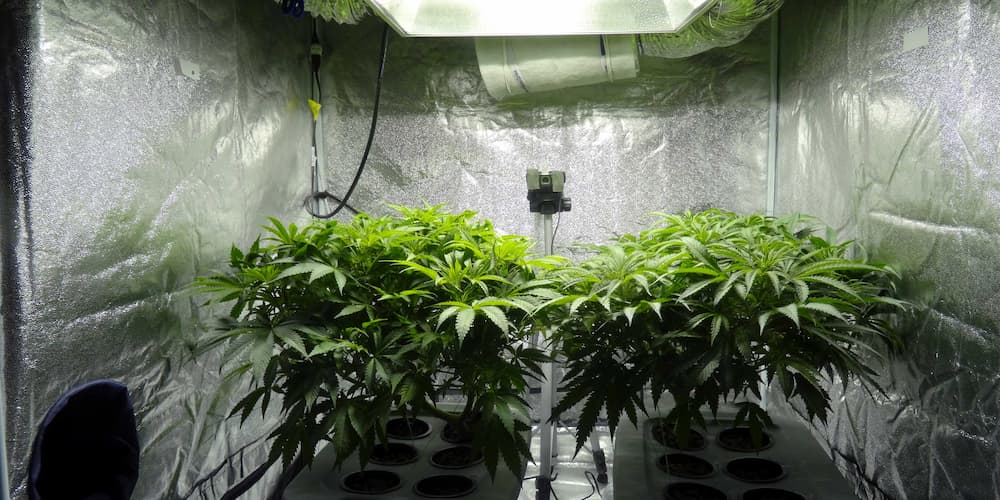
Real Example From a Grow Tent
Let us walk through a real situation that happens in grow tents every single day. This will make everything click.
Meet Two Growers: Same Humidity, Very Different Results
Grower A runs their tent at 20°C with 60% humidity. Grower B runs their tent at 30°C with 60% humidity.
Both check their hygrometer. Both see 60%. Both think their environment is the same.
But their plants tell a completely different story.
What Is Actually Happening:
Grower A | Grower B | |
Temperature | 20°C | 30°C |
Humidity (RH) | 60% | 60% |
VPD | ~0.93 kPa ✅ | ~1.70 kPa ❌ |
Plant Response | Breathing steadily, growing well | Stressed, stomata closing, growth slowing |
Same humidity. Completely different VPD. Completely different plants.
Why Does This Happen?
Warm air can hold much more water than cool air. So at 30°C, even with 60% humidity, the air still has a huge amount of room to absorb more moisture — and it pulls that moisture aggressively from the plant.
Think of it like two sponges:
- A small sponge at 60% full does not have much room left — it pulls gently
- A large sponge at 60% full still has a lot of room — it pulls hard
The temperature decides how big the sponge is. Humidity only tells you the percentage. VPD tells you the actual pulling force.
What Grower B Will Notice:
- Leaves starting to curl or taco
- Tips of leaves looking dry or burnt
- Slower growth despite good feeding
- Plant looks thirsty even after watering
All of this happens while the hygrometer reads a perfectly normal 60%.
Grower A’s plants thrive. Grower B’s plants struggle. The only real difference is temperature — and VPD caught it. Humidity did not.
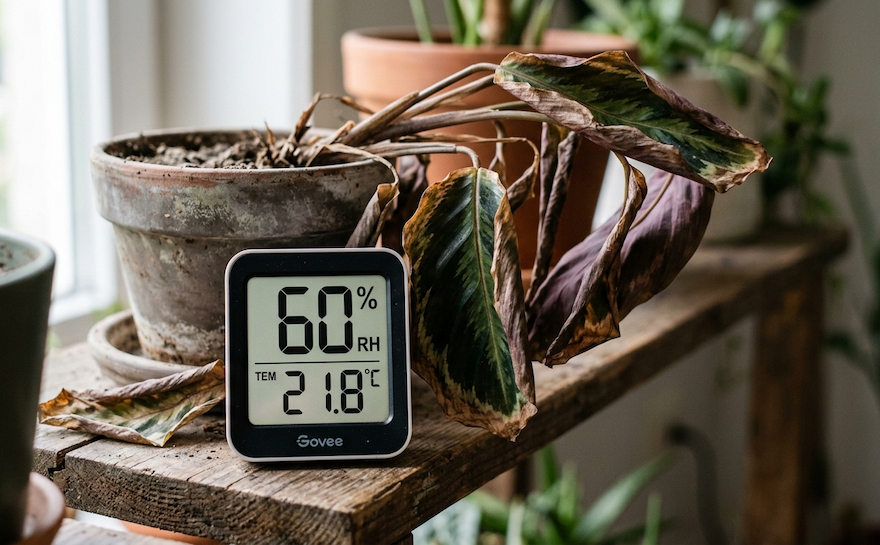
What Most Growers Get wrong About This
Ask almost any new grower what good humidity looks like. Most will say the same thing:
“Keep it around 60% and you are good.”
It is one of the most repeated pieces of advice in growing communities. And it is not completely wrong — but it is dangerously incomplete. Following it blindly is one of the most common reasons healthy-looking environments produce struggling plants.
Here is the mistake in plain terms:
The Myth: "60% Humidity Is Always Safe"
Humidity targets get passed around like universal rules. 60% becomes a magic number. Growers hit it, feel confident, and stop looking further.
But 60% humidity means something completely different depending on your temperature:
Temperature | Humidity | VPD | Reality |
18°C | 60% | ~0.83 kPa | Slightly low — plant growth may slow |
22°C | 60% | ~1.05 kPa ✅ | Ideal — plant is thriving |
28°C | 60% | ~1.49 kPa ⚠️ | Getting high — plant begins to stress |
32°C | 60% | ~1.82 kPa ❌ | Too high — stomata closing, growth stops |
Same humidity. Four completely different situations. Three of them are either borderline or harmful.
Why This Mistake Happens
Humidity is visible and easy to measure. You hang a hygrometer, check the number, and feel in control. VPD is invisible — it requires understanding how temperature and humidity work together.
So growers naturally hold onto the number they can see and trust it too much.
The problem is your plant does not feel humidity alone. It feels the combined pressure of temperature and moisture pulling on its leaves. That combined pressure is VPD — and 60% humidity cannot tell you what that pressure is.
What You Should Do Instead
Do not chase a humidity number. Chase a VPD range.
When your VPD is dialed in, your humidity will naturally land in the right zone for your temperature — not the other way around. Humidity becomes a result of good environmental control, not the target itself.
Chasing humidity is like judging a recipe only by how hot the oven is. Temperature matters — but it is not the whole picture.
Simple Way to Remember the Difference
You have learned a lot in this guide. Now let us lock it all in with something you will never forget.
The One-Line Memory Trick:
Humidity = how wet the air is
VPD = how thirsty the air is
That is it. Read it once more and let it settle.
Humidity tells you the air’s condition. VPD tells you the air’s appetite — how hungry it is to pull water from your plant.
Take It One Step Further:
Think of your grow room like a restaurant:
- Humidity is the menu — it tells you what is available
- VPD is the customer — it decides how much gets eaten and how fast
Your plant is the meal. A hungry customer at the wrong temperature will eat too fast or not at all. Getting both right means your plant is consumed steadily and perfectly — which is exactly what healthy growth looks like.
A Second Trick for Visual Thinkers:
Humidity | VPD | |
Think of it as… | Weather report | Plant feelings |
It answers… | “How wet is the air?” | “How is my plant reacting?” |
It watches… | The room | The plant |
Without the other… | Incomplete picture | Cannot exist alone |
Now Put It to Work — Right Now
Knowing the difference is step one. Using it is step two.
At VPDcharts.com, you can stop guessing and start knowing. Enter your temperature, humidity, and leaf temperature — and instantly see your exact VPD value. The tool works for whatever you are growing:
Cannabis · Leafy Greens · Tomatoes · Cucumbers · Flowers · Early Veg
It does not just give you a number. It shows you a full VPD chart and table so you can see exactly where your plant sits — and what to adjust to hit your ideal range.
You now know the difference between humidity and VPD. VPDcharts.com shows you both — in one place, in seconds.
When to Focus on Humidity vs VPD
Here is the honest truth most guides skip:
You do not have to master VPD on day one. There is a natural progression — and knowing where you are in that journey helps you grow better right now, not just someday.
Stage 1 — The Beginner Approach: Start With Humidity
When you are just starting out, humidity is the right place to begin. It is visible, easy to measure, and gives you a basic sense of your environment.
At this stage your goal is simple — avoid the extremes:
Growth Stage | Safe Humidity Range to Start |
Seedling / Clone | 70 – 80% RH |
Early Veg | 60 – 70% RH |
Late Veg | 50 – 65% RH |
Early Flower | 45 – 55% RH |
Late Flower | 40 – 50% RH |
This keeps your plant out of obvious danger — mold, dehydration, and stress — while you learn the basics of your setup.
Humidity is your training wheels. It keeps you safe while you build confidence.
Stage 2 — The Intermediate Step: Notice the Gaps
After a few grows, you will start noticing something. Your humidity looks right but your plants still show stress. Growth feels slower than expected. Leaves curl at certain times of day.
This is your signal. Humidity alone is no longer enough.
This is the moment to ask: “What is my VPD actually doing?”
You do not need to abandon humidity tracking. You just need to add one more layer — temperature awareness. Start checking whether your temperature and humidity are working together, not just separately.
Stage 3 — The Advanced Approach: Optimize VPD
Once you understand both temperature and humidity, VPD becomes your primary target. Instead of asking “is my humidity okay?” you start asking “is my VPD in range?”
This shift changes everything:
- You stop chasing fixed humidity numbers
- You adjust temperature and humidity together as one system
- Your plant environment becomes precise, not approximate
- Every growth stage gets its own dialed-in VPD target
At this stage, humidity becomes a tool you use to hit your VPD target — not the target itself.
How to Know Which Stage You Are At:
Ask yourself these three questions:
- Do I check humidity regularly? → If no, start with Stage 1
- Do I know my temperature and humidity together? → If yes, move to Stage 2
- Do I adjust both temp and humidity to hit a VPD range? → If yes, you are at Stage 3
There is no shame in any stage. Every expert grower started at Stage 1. The goal is simply to keep moving forward — one layer at a time.
Your Next Step
You now understand the difference between humidity and VPD. You know which stage you are at. The natural next move is learning how to actually read and use a VPD chart in your grow.
Find your ideal range, and use the tools at VPDcharts.com to dial in your environment for every growth stage — whether you are growing cannabis, tomatoes, cucumbers, leafy greens, or flowers.
Stop Guessing and Start Growing With Confidence
You came here wondering what the difference between VPD and humidity was. Now you know something most growers never figure out until after several frustrating grows.
You know that:
- Humidity tells you what is in the air
- VPD tells you what the air is doing to your plant
- The same humidity at different temperatures means completely different things
- Your plant responds to VPD — not just a number on your hygrometer
That knowledge alone puts you ahead of the majority of growers.
But knowledge without action is just information.
The Fastest Way to Put This Into Practice:
Go to VPDcharts.com right now. Enter three things:
- Your current temperature
- Your current humidity
- Your leaf temperature
In seconds you will see:
- Your exact VPD value
- A full VPD chart and table showing where your plant sits
- Whether your environment is too low, ideal, or too high
- What to adjust to hit your perfect range
No guessing. No confusing formulas. No more wondering why your plants are struggling despite “good” humidity.
One tool. Every grow. Every plant. Every stage.