
Ideal VPD for Cannabis (Simple Guide)
VPD (Vapor Pressure Deficit) measures how “thirsty” the air is and directly controls how cannabis plants move water, nutrients, and grow. Each growth stage needs a different range—low VPD for seedlings, balanced for vegetative growth, and slightly higher but stable for flowering. When VPD is too high or too low, plants show stress through slow growth, leaf issues, or mold risk, which ultimately affects yield and bud quality.
Table of Contents

What Is VPD Why It Matters for Cannabis?
Think of the air around your cannabis plant like a sponge. A dry sponge pulls water quickly, while a wet sponge cannot take much more. VPD (Vapor Pressure Deficit) is simply a way to measure how “thirsty” that air is.
In simple words, it tells you how much moisture the air still wants to take from your plant. That small difference controls how your cannabis plant moves water every single minute.
Your plant is always pulling water from the roots and releasing it through tiny pores in the leaves called stomata. This water flow is not just for cooling — it is how nutrients travel inside the plant. When this system works smoothly, the plant grows fast, stays strong, and builds healthy buds.
When VPD is in the right range, the plant behaves naturally. Water moves at a steady pace, stomata stay active, and nutrients reach every part of the plant. This is when you see balanced growth and healthy structure.
But when VPD goes wrong, the whole system becomes unbalanced.
If the air is too dry (high VPD), it pulls water from the leaves too fast. The plant reacts by closing its stomata to protect itself. Once that happens, nutrient movement slows down, growth becomes stressed, and the plant starts holding back energy.
If the air is too wet (low VPD), the plant struggles in a different way. It cannot release water properly, so the internal flow slows down. This creates weak growth conditions and increases the risk of mold or disease because moisture stays trapped in and around the plant.
This is why VPD is more useful than just looking at temperature or humidity separately. Those numbers alone do not tell you what the plant is actually experiencing. VPD combines both into one simple value that reflects real plant behavior.
If you want to know more about VPD, then check out our guide on Vapour Pressure Deficit (VPD).
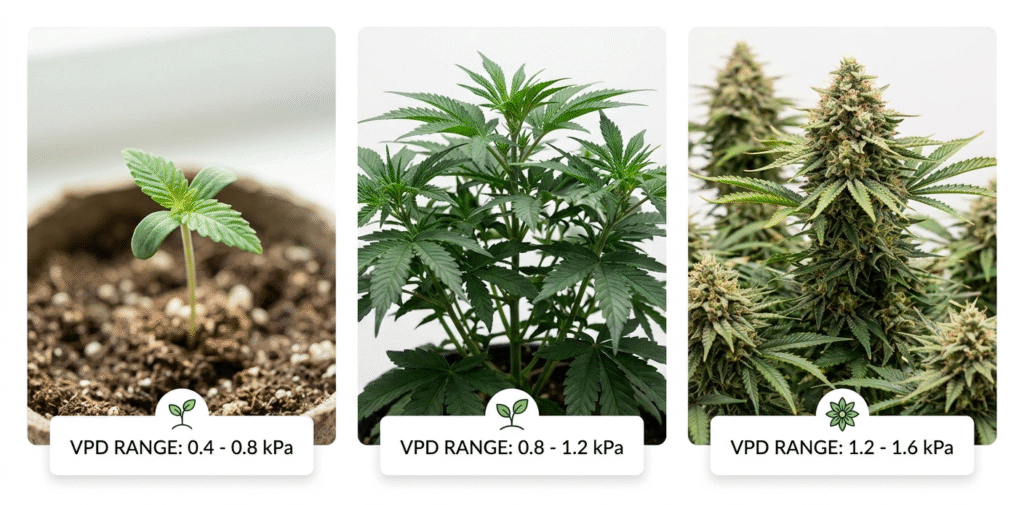
Ideal VPD Range for Cannabis (By Growth Stage)
Cannabis does not need the same VPD all the time. It changes as the plant grows. A seedling is delicate, a vegetative plant is fast-growing, and a flowering plant is focused on building buds. Each stage needs a slightly different air balance.
Think of it like this: young plants need softer conditions, while mature plants can handle a bit more “air pull” without stress. That “air pull” is exactly what VPD controls.
Seedling Stage (0.4 – 0.8 kPa)
Seedlings are very sensitive because their roots are still small and weak. If the air is too dry, they lose water faster than they can replace it.
At this stage, lower VPD is safer because it keeps moisture loss slow and steady. This helps the plant build roots and early leaves without stress. The goal is simple — keep the plant comfortable, not pushed.
Vegetative Stage (0.8 – 1.2 kPa)
This is the growth phase where the plant becomes strong and starts building structure. Roots are active, leaves are expanding, and energy demand increases.
A slightly higher VPD works better here because it supports faster water movement. That means better nutrient transport and quicker growth. The plant is actively “drinking” and building itself during this stage.
Flowering Stage (1.2 – 1.6 kPa)
During flowering, the plant shifts its energy into bud production. This stage needs a balanced but slightly higher VPD compared to seedlings.
When VPD is in the right range, water and nutrients move efficiently into the buds. This supports better bud size, density, and resin production. If VPD goes too high here, the plant gets stressed and may slow down bud development. If it goes too low, buds can become weak and more prone to moisture issues.
Simple Summary:
Seedlings prefer gentle air, vegetative plants prefer balanced airflow, and flowering plants prefer slightly drier but controlled conditions. The key is not staying in one number forever — it is adjusting as the plant grows.
How to Use This in Real Grow Rooms
Instead of guessing, you can use the VPD tool to match each stage easily. Enter your current temperature and humidity, and the interactive chart shows where you are. Then switch your target VPD based on the growth stage, and the tool guides you toward the right environment with clear adjustments.
This removes guesswork and helps you move smoothly from seedlings to flowering without stress spikes.
To understand how VPD affects plant growth beyond these stage, read our guide: How VPD Affects Plant Growth.

Ideal VPD Range for Cannabis Seedlings (Early Stage Guide)
Cannabis seedlings are like newborn plants. Everything about them is still small and delicate — roots, stems, and leaves. Because of this, they cannot handle fast water loss from the air.
This is why seedlings need a lower VPD. It keeps the air gentle so the plant does not dry out too quickly.
Think of it like a soft room temperature bath for a baby. If the air is too “thirsty,” the seedling loses water faster than its roots can replace it. That creates stress very early in life, and recovery is slow.
Why lower VPD matters for seedlings
At this stage, the root system is not strong yet. The plant cannot pull water efficiently from the soil, so it depends more on the humidity in the air.
When VPD is low, the air is more humid and less aggressive. Water loss from leaves slows down, and the seedling can focus on building roots instead of fighting dryness.
This balance helps the plant stay stable, develop healthy first leaves, and build a strong foundation for later growth.
Safe VPD range for seedlings
For cannabis seedlings, the safe range is usually around 0.4 to 0.8 kPa. Inside this range, the plant stays protected from stress while still growing at a steady pace.
If VPD goes higher than this too early, seedlings often show signs of stress like slow growth or curling leaves. If it drops too low, the environment becomes too wet, which can slow development and increase disease risk.
What “safe conditions” feel like
In a good seedling environment, the air feels slightly humid but not heavy. Leaves stay soft, upright, and light green. Growth is slow but steady — not rushed, not stalled.
This is the phase where patience matters more than speed. The goal is not fast growth, but strong roots and healthy structure.
How to maintain stable seedling VPD
The most important thing is balance between temperature and humidity. Small changes in either one can shift VPD quickly, so consistency is more important than perfection.
Many growers keep humidity higher during this stage and avoid strong airflow directly on seedlings. Gentle air movement is enough to prevent stagnation without drying them out.
👉 You can check your exact seedling environment using the VPD tool. Enter your temperature and humidity, and the interactive chart will instantly show if you are inside the safe seedling zone. If you set a target VPD for seedlings, the tool will guide you with simple adjustments to reach it without guesswork.
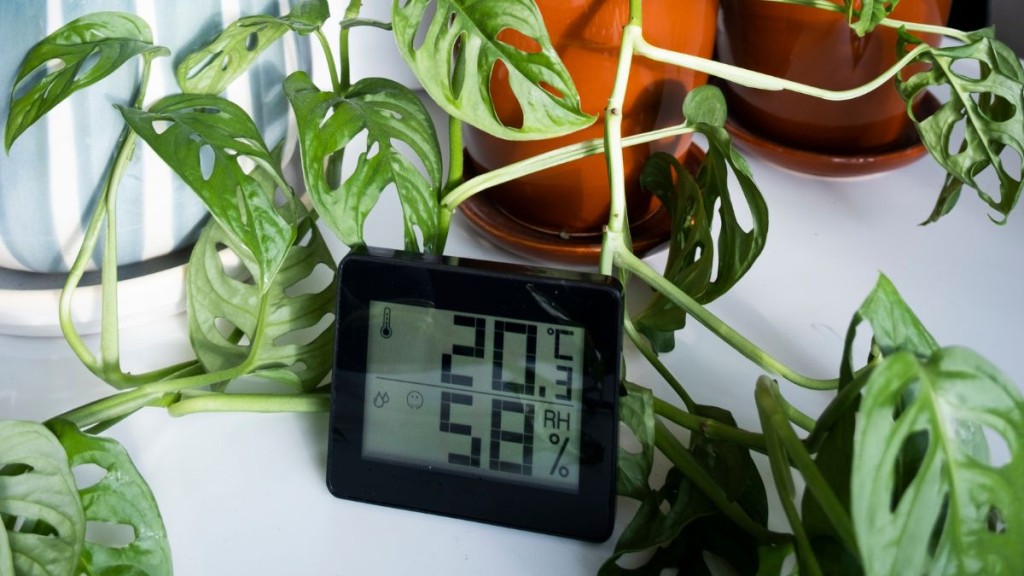
Best Temperature and Humidity for Each Stage
VPD is not something you set directly. You control it using temperature and humidity together. When these two are balanced correctly, your plant naturally falls into the right VPD range.
Think of it like a seesaw. Temperature pushes VPD up, humidity pulls it down. The goal is to keep that balance steady for each growth stage.
Below are simple combinations that help most growers stay in the healthy VPD zone without guesswork.
Seedling Stage
Seedlings need a soft and humid environment because their roots are still weak.
A common safe range is: Around 20–24°C with 65–75% humidity
At this level, the air does not pull water too quickly from the tiny leaves. The plant can focus on building roots instead of fighting dryness. If humidity drops too low here, seedlings often slow down or show stress early.
Vegetative Stage
This is the fast growth stage where the plant builds stems and leaves quickly.
A good working range is: Around 22–26°C with 55–70% humidity
Here, the plant is stronger and can handle slightly drier air. Water moves more actively through the plant, which supports faster growth and better nutrient delivery.
If humidity stays too high for too long in this stage, plants can become weak or overly soft. If it’s too dry, growth can slow down and leaves may curl.
Flowering Stage
In flowering, the plant is focused on building buds, so balance becomes very important.
A practical range is: Around 20–26°C with 45–60% humidity
This slightly drier air helps reduce mold risk while still allowing strong nutrient flow into buds. If humidity is too high here, buds can trap moisture, which increases the risk of rot. If it’s too dry, the plant may get stressed and reduce bud development.
How to think about all stages simply
As plants grow, they can handle slightly drier air. Seedlings need protection, vegetative plants need balance, and flowering plants need controlled dryness for healthy buds.
But instead of memorizing numbers, it is more useful to understand one idea: temperature and humidity must move together. If one changes, the other should adjust too to keep VPD stable.
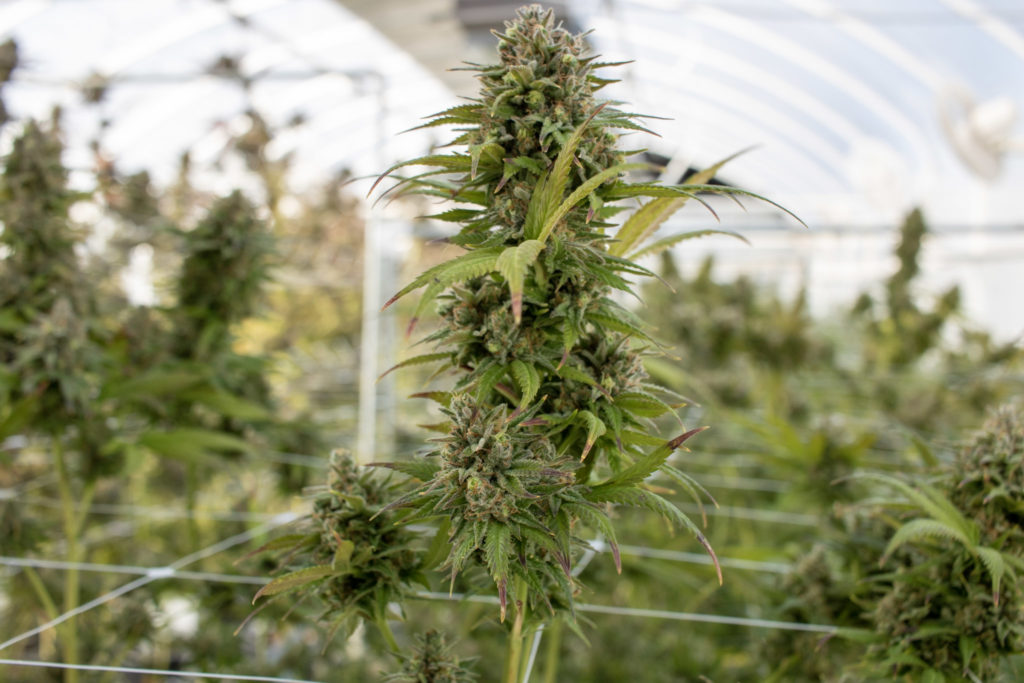
How VPD Affects Yield and Bud Quality
VPD is not just about keeping plants alive. It directly affects how big your yield is and how good your buds turn out.
Think of VPD as the “speed control” for water movement inside your plant. When that speed is right, everything inside the plant works smoothly. When it is wrong, the plant slows down or becomes stressed.
How good VPD improves bud size and yield
When VPD is in the right range, water moves steadily from the roots to the leaves and buds. This movement is important because water carries nutrients.
With steady nutrient flow, the plant can:
- Build larger buds
- Support more flower sites
- Keep growth consistent during flowering
It is like giving the plant a smooth supply line. Nothing is blocked, nothing is rushed.
If VPD is too high for long periods, the plant loses water too fast. It protects itself by closing stomata, and nutrient flow slows down. Bud development becomes weaker, and yield often drops.
If VPD is too low, the plant becomes “lazy” in a way. Water movement slows, and buds may not develop full structure or density.
How VPD affects bud density
Dense buds need a steady internal flow. That flow depends on balanced VPD.
When VPD is stable, the plant keeps transporting water and nutrients evenly into bud sites. This helps buds grow tight and compact instead of airy or loose.
When VPD swings too much, buds often become uneven. Some parts grow well, while others stay light and fluffy.
Resin production and quality
Resin is the plant’s protective layer, and it is strongly influenced by environmental stress.
When VPD is slightly controlled and stable, the plant stays healthy but active. This balance encourages better resin development because the plant is working efficiently without extreme stress.
If VPD is too high, the plant focuses on survival, not resin. If it is too low, growth becomes slow and weak, which also affects final quality.
Plant stress and its hidden impact
Even if plants look okay on the outside, poor VPD can create hidden stress inside the plant.
This stress often leads to:
- Slower flowering progress
- Lower bud weight
- Uneven ripening
Most growers notice these problems late, but they usually start with unstable VPD earlier in the grow cycle.
Simple idea to remember
Good VPD does not “force” the plant to grow. It lets the plant grow without resistance.
When air conditions are balanced, the plant can focus energy on buds instead of survival.
Signs Your VPD Is Too High or Too Low
Your cannabis plant cannot tell you in words when something is wrong, but it does show clear signals. If you learn to read them, you can quickly understand if your VPD is too high or too low.
Think of these signs like a warning system. The plant reacts slowly at first, then more clearly if the problem continues.
When VPD is too high (air too dry)

High VPD means the air is pulling water from the plant too fast. The plant feels like it is constantly drying out.
One of the first signs is leaf curling. Leaves may bend upward or fold inward to reduce surface area. This is the plant trying to protect itself from water loss.
You may also notice dry or crispy leaf edges. This often gets confused with nutrient problems, but in many cases, it starts from dry air, not feeding issues.
Another common sign is slow or stopped growth. The plant closes its stomata to save water, but this also blocks nutrient movement. Even if everything else is correct, growth can slow down without obvious reason.
In flowering plants, high VPD can also lead to weaker bud development or even small flower drop because the plant is under stress and trying to reduce its workload.
When VPD is too low (air too humid)

Low VPD means the air is already full of moisture, so the plant cannot release water properly.
One early sign is weak or soft growth. Stems may feel less firm, and the plant can look “lazy” even when it is healthy.
You may also see very slow development. Leaves and buds grow, but not with strength or structure. Everything feels slightly behind schedule.
The bigger risk with low VPD is mold and disease. When air stays too humid, moisture sits on leaves and buds for longer periods. This creates a perfect environment for mold, especially during flowering.
In some cases, you may even notice a damp smell or condensation in the grow space. That is a strong warning that VPD is too low, especially at night.
The simplest way to tell the difference:
Sign | Too High VPD | Too Low VPD |
Leaf edges | Dry, crispy | Soft, puffy |
Plant posture | Drooping, wilting | Floppy, weak |
Growth speed | Stunted, slow | Slow, stretched |
Soil feel | Often fine | Often fine |
Main risk | Dehydration stress | Mold, weak roots |
If you are seeing any of these signs, do not guess. Open the VPD tool, enter your current temperature and humidity, and check exactly where you are on the chart. The interactive display will show you instantly whether your VPD is too high, too low, or right on target for the seedling stage.
If you are off, use the target VPD feature — set your ideal range and the tool will tell you exactly what to adjust to fix it.
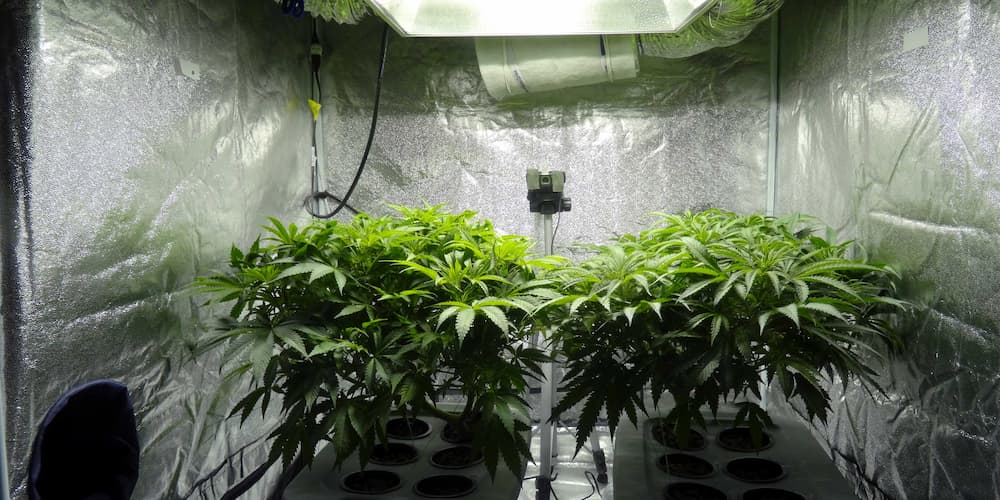
Real Example From a Grow Tent
Sometimes VPD makes more sense when you see it in a real situation. Let’s walk through a simple grow tent example where small changes in VPD made a big difference in plant health and yield.
The situation
A home grower was running a small indoor tent with cannabis plants. At first, everything looked fine during the vegetative stage. Plants were green, growing, and healthy.
But when flowering started, problems slowly appeared.
The grower noticed:
- Buds were not getting dense
- Some leaves were curling slightly
- Growth felt slower than expected
At first, the grower thought it was a nutrient issue and changed feeding. Nothing improved.
What was actually happening
When the grower checked temperature and humidity, the numbers looked “okay” at first glance. But when VPD was calculated, the real picture became clear.
During flowering, the conditions were:
- Temperature: 27°C
- Humidity: 50%
- VPD: around 1.7 kPa (too high)
The air was too dry for the flowering stage. The plant was losing water too quickly and responding by closing stomata. That slowed nutrient movement into the buds.
The Fix
Instead of changing nutrients again, the grower focused on VPD.
Two simple changes were made:
- Humidity was increased from 50% to 62%
- A small adjustment was made to ventilation to keep airflow steady
After this, VPD dropped closer to 1.1 kPa, which is much more suitable for flowering cannabis.
What changed after adjusting VPD
Within about a week, the grower noticed clear improvements:
- Leaves stopped curling.
- New bud growth became more active.
- Existing buds started filling out instead of staying light.
By the end of flowering, the final result was noticeably better than previous runs — denser buds, more even growth, and a healthier overall plant structure.
What This Example teaches
The important lesson was simple: the problem was not nutrients or genetics. It was air balance.
Once VPD was corrected, the plant was finally able to move water and nutrients properly again. Everything else started working naturally.
How to avoid this mistake
Many growers adjust feeding when they see slow growth or weak buds. But often, the real issue starts with VPD long before visible symptoms appear.
That is why checking environment regularly matters more than reacting later.
👉 You can prevent this kind of situation by using the VPD tool. Enter your temperature and humidity, and the interactive chart shows exactly where your grow tent sits. If you set a target VPD for your stage, the tool tells you what to adjust so you stay in the ideal zone without guessing.
What Most Growers Get wrong With Cannabis VPD
Most growers do not fail because they do everything wrong. They struggle because they repeat a few small mistakes that slowly throw the whole environment off balance.
VPD problems usually build quietly, so these mistakes are easy to miss at first.
Mistake 1: Using one fixed humidity for the whole grow
A very common habit is setting humidity once and never changing it.
For example, a grower might keep 65% humidity from seedlings all the way to flowering. It feels simple, but it does not match what the plant needs.
Seedlings need higher humidity and softer air. Flowering plants need lower humidity to stay safe from mold. When everything stays fixed, one stage is always slightly stressed even if the plant still looks okay.
Mistake 2: Ignoring growth stages
Cannabis does not stay the same. It changes from weak seedlings to fast vegetative growth to heavy flowering.
Each stage needs a different VPD range, but many growers treat it like a “set and forget” environment.
This often leads to confusion like:
- Plants growing fine in veg, but struggling in flower
- Or strong early growth but weak bud development later
The environment is not wrong — it is just not changing with the plant.
Mistake 3: Making sudden environment changes
Another big mistake is changing temperature or humidity too quickly.
For example, a grower sees high VPD and suddenly increases humidity a lot. Or lowers temperature sharply in one step.
Plants do not adjust instantly. Sudden changes can stress them just as much as the original problem. Instead of fixing the issue, it creates a new one.
Small, gradual adjustments always work better.
Mistake 4: Only reacting when problems appear
Many growers only check VPD after they see issues like leaf curling, slow growth, or weak buds.
The problem is that VPD imbalance usually starts long before visible signs appear. By the time symptoms show, the plant has already been stressed for days.
VPD works best when it is monitored early, not reacted to late.
Mistake 5: Thinking temperature or humidity alone is enough
Some growers focus only on humidity or only on temperature.
But neither one tells the full story on its own.
For example, 60% humidity can feel very different at 20°C compared to 28°C. The plant experiences both together, not separately. That is why VPD is more accurate than either number alone.
Mistake 6: Not noticing small daily swings
Even when the setup is “correct,” conditions often change during the day and night.
Temperatures rise under lights. Humidity increases at night. These small swings can push VPD in and out of the ideal zone without the grower noticing.
Over time, these hidden swings affect growth more than one-time adjustments.
Simple idea to remember
Most VPD problems are not caused by one big mistake. They come from small habits repeated over time — like not adjusting stages, not checking often, or reacting too late.
How to avoid these mistakes
👉 You can use the VPD tool to enter your temperature and humidity anytime. The interactive chart shows where your environment sits in real time, so you can catch small shifts before they become problems.
If you set a target VPD for your growth stage, the tool guides you step by step on what to adjust. This helps you avoid sudden changes and keeps your environment stable across the whole grow.
Quick Fix to Improve Cannabis VPD
When your VPD is off, you don’t need complicated changes. Most of the time, small adjustments to humidity, temperature, or airflow are enough to bring things back on track.
Think of VPD like a balance scale. You are just gently moving it back to the middle, not rebuilding your whole setup.
Fix 1: Adjust humidity first (fastest control)
Humidity is usually the easiest and quickest way to change VPD.
If VPD is too high (air too dry), increase humidity. You can use a humidifier or lightly reduce ventilation so moisture stays longer in the space. Even a small rise in humidity can quickly calm plant stress.
If VPD is too low (air too wet), reduce humidity. Increase fresh air exchange, use a dehumidifier if available, or improve air movement so moisture does not sit in the grow space.
Small changes work best. Even a 5–10% shift can move VPD into a safer range.
Fix 2: Use temperature carefully
Temperature has a strong effect on VPD, even more than most growers realize.
If VPD is too high, lowering temperature slightly can help reduce air “thirst.” This slows down water loss from the plant and reduces stress.
If VPD is too low, gently increasing temperature helps the air hold more moisture without becoming too wet. This naturally raises VPD into a better range.
Always change temperature in small steps. Big changes can shock the plant and create new problems.
Fix 3: Improve airflow for stability
Airflow does not change VPD directly, but it makes your environment more stable.
Without good airflow, you get pockets of dry or humid air around the plant. One side of the tent may feel different from the other, even if your readings look fine.
Adding gentle circulation helps spread temperature and humidity evenly. This keeps VPD more consistent across the whole plant, not just near your sensor.
Fix 4: Make one change at a time
One of the biggest mistakes growers make is changing everything at once.
If you adjust humidity, temperature, and airflow together, you won’t know what actually fixed the problem. It can also push VPD too far in the opposite direction.
Instead, change one thing, wait a short time, and then recheck your environment.
Simple fix logic to remember
Dry air? Raise humidity or lower temperature.
Wet air? Lower humidity or raise temperature.
Unstable environment? Improve airflow.
That’s the core of VPD correction.
👉 For a deeper guide on adjusting your full grow room environment, read our guide: How to Control VPD in a Grow Room.
Simple Way to Remember This
You don’t need to remember every number in VPD. That gets confusing fast. Instead, remember one simple idea that always works:
Young plants like softer air. Older plants like slightly drier air.
That’s the whole system in one line.
Think about it like this.
In the early stage, your cannabis plant is small and weak. It cannot handle fast water loss. So the air should feel more “gentle” and humid. This means lower VPD. The goal here is protection and steady root growth, not speed.
As the plant grows, it becomes stronger. It can move water faster and handle more demand. Now the air can be a bit drier, which means higher VPD. This supports faster nutrient movement and stronger development.
By the time the plant is flowering, it needs a controlled balance. Not too wet, not too dry. Just stable conditions so buds can develop properly without stress.
Easy memory rule
If you forget everything else, remember this:
Lower VPD in the beginning. Raise it as the plant grows. Keep it balanced in flower.
Why this works
This simple idea matches what the plant is doing naturally.
- Small plants need protection.
- Growing plants need speed.
- Flowering plants need stability.
VPD just helps you match the air to those needs.
How to use this in real growing
👉 Enter your temperature and humidity, and our interactive chart shows where you are right now. Then set a target VPD based on your growth stage, and the tool tells you if your air is too dry, too wet, or just right.
This way, you don’t rely on memory alone — you use the rule and verify it in real time.